Lectures & Workshops
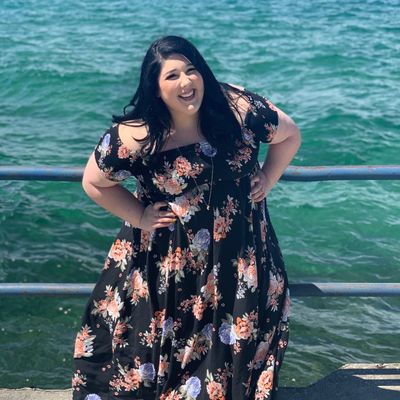
Stefani is an experienced speaker and educator whose background in sociology, gender and sexuality studies, and higher education make her an asset in and out of the classroom. All sessions are customizable and can be tailored to your organization's specific needs. Book Stefani to give one of her premade talks, bring her in as a guest speakers for your classroom, or collaborate with her on a topic that is not listed below!
Butch/Femme History, Identity, & Community Education
High Heels & Hard Hats: Butch/Femme History & Community
From factory work, to sex work, activism to organizing; butches and femmes have done it all. As a community, we must learn from our history and we simply cannot do that without delving first into butch & femme identities across the gender spectrum. In this session, we will discuss the coevolution of butch and femme identity and community, the backlash against and erasure of these identities, and the resilience of the communities in the present day.
Persistently Desired: Butch/Femme Culture, Community, & Courtship
flamboyance//fortitude, hunger//power, electric//grounding, strength//softness
Butches and femmes are two sides of the same coin with a beautiful historical context and rich culture. We connect and collide creating rituals, codes, and languages all our own. This session, designed for all Butch and Femme identified folks, dives into what Joan Nestle calls “poetry and history, action and theory, flesh and spirit” to explore the world of Butch/Femme community, culture, courtship, and more.
Daggers & Dolls: Old Fashioned Old School Butch/Femme History & Culture
Old Fashioned, Old School, of OFOS, culture is as old as butch/femme but so often not discussed in modern conversations surrounding these identities. While many OFOS social scripts were standard and considered normative in butch/femme spaces of the past, current cultural conversations tend to forget us at best and dub us heteronormative regressive traitors at worst. This session will dive into the history of the OFOS culture, explore the intersections of identities found in OFOS spaces, and discuss the experiences of modern day butches and femmes who, knowingly or not, are following a rich history of social scripts laid out for them by generations past. This session is for the advanced participant with working knowledge of butch/femme history, identity, and culture and contains frank discussion of sex, sexuality, erotic behavior, domestic violence, police brutality, sexual assault, and other adult themes. Session is 18+.
Fiercely Femme : Femme History, Identity, & Community
As an identity, femme is not homogenous but it is a thrilling mix of expression and experience. Femme is an exploration of gender identity, which can be a safe haven, a political statement, a way of life, or all of the above. The session will delve into the history of femme identity, how femmes are erased, who can identify as femme, and how femme identity has evolved.
Butch, Please: Butch History, Identity, & Community
Bull dagger, tough kid, drag king, stone, boi, tomboy, butch; no matter the term, masculine queer identities have always existed in our community. This session explores historical and contemporary identities and what the future could hold. We will focus on identity development, historical context, community building and experience sharing.
Stone Soup: Stone Identity, Gender, & Sexuality
Stone identity is as rich and complex as it is misunderstood band oversimplified. Unlike the term implies, stone identity is a place for warmth, growth, and physical fulfillment. Stone identities have existed for decades, and while research suggests that the number of stone people has remained relatively constant, the identity has seen a resurgence in popular queer culture. Delve into the history and politics of this complex sexual and emotional identity. Session is 18+
Stone 4 Stone: Stone Partnership, Sex, & Sexuality
Stone partnerships and sexual connections are often deeply misunderstood by those outside stone community. This session delves into the types of stone identity and the ways in which stone people build relationships, both romantic and sexual with each other and with themselves. Building on Stone Soup, this session is an advanced look into the historical and contemporary identity along with frank discussions of sexual scripts and stone sexual health. This session will include frank discussions of sexual activity and is 18+.
Fat Liberation & Body Politics
Fat Liberation: LGBTQ+ Bodies & Identities
Mainstream culture has defined beautiful and healthy as thin and small. The queer community has tended to subvert this notion, however, fatphobia is still prevalent. We will discuss loving ourselves and our bodies because they are fat not in spite of that fact, the history of the fat liberation and body positivity movements, and the intersection of queer and fat identities. The goal of the workshop is to give fat-identified folks a space to speak about their experience while at the same time giving fat allies a chance to listen and learn.
Makeup Your Mind: The Politics of High Femme Gender Performance
Femme gender identity and gender presentation are widely left out of the theoretical frameworks found in queer and feminist studies. In Female Masculinity, queer theorist Jack Halberstam discusses that enough hasn’t been said about femmes, especially in the academy. In the community, however, conversations pertaining to femme gender identity and especially high femme gender performance are rich with nuance, and historical significance, and steeped in a femme theory all its own. This session dives into the politics of femme identity and presentation as a uniquely queer performance and this workshop is for folks looking to expand more elementary knowledge.
TERF Wars: Understanding Contemporary Sapphic Politics
Studs and separatists and sapphics, oh my! The wide world of identity can be intimidating to navigate, especially for folks exploring their identities and attempting to find community. All too often our history can be inaccessible, or worse, inaccurate causing misunderstandings, frustration, and community turmoil. TERF Wars dives into the many facets of sapphic sexuality, gender, and orientation, to help you figure out what the L is going on.
For Fuck’s Sake: Queer Sex & Sexual Health
LGBTQ+ people need, and deserve, sex education aimed at their experiences and designed specifically for them. Research shows that LGBTQ+ youth (aged 18-24) have a limited number of trusted adults they feel comfortable talking with about sexual health This leaves folks to seek information online or from peers. Much of the information online is neither community specific nor medically accurate, and peers may be misinformed. This session provides LGBTQ+ specific sex education focused on boundaries, pleasure, and the mechanics of sex. This session will include frank discussions of sexual activity and is 18+.
Higher Education
What if I’m the Only One? Navigating Rural & Isolated Higher Education
Small town, small school, small resources. Let’s address the issues of being an LGBTQ student on a rural campus; from finding each other, to starting an organization from scratch, to battling small-town isolation and administrative kickback. This workshop will present educational components within a facilitated discussion on how trans and queer people experience rural higher education while thriving as students and as people.
Get it Together: Building a Strong & Lasting LGBT+ Student Org
Creating and maintaining an LGBT+ organization can be an uphill battle. Oftentimes, no matter the size of the campus, resource creation falls onto student organizations and their leaders. This workshop discusses ways to build an effective and long-lasting organization that best serves the needs of LGBT+ students and the campus as a whole. Be it a new organization or one that can use an overhaul, this session allows time to focus on both short and long-term goals and how the organization fits into campus culture.
Research Without Limits: The Future is Rural
When considering the future of LGBTQ+ people, centering rural community-based design allows a future created for and by LGBTQ+ people living in areas often left out. We will delve into methods and best practices for understanding our desired future, community-based research methods, and deployment in rural communities. Utilizing case studies the presenters will discuss the importance of documenting rural experiences and creating long-lasting communities through uniting institutions of higher education with communities.
We are Everywhere: Documenting Student Activist Communities
Student activists and organizers are often the center of diverse communities on campus but are rarely trained in documenting their work or the lives of their community. This session is designed to give student leaders practical tools to create archival evidence of their community both on and off campus in order to leave their mark on their institution and provide a historical record for those that will come after their work on campus comes to a close.
Student Activist to Student Affairs Professional: Turning Your Labor Into a Career
Many student activists, especially those who are first generation students, are unfamiliar with the field of student affairs and the broad range of careers that align with the work they are already doing within their institution. This session explores how to pivot a career as an activist to a paid position working to support students while giving practical tools for resume writing, interviewing, and finding mentorship.